

Table of Contents
In today’s competitive digital economy, businesses are constantly looking for new ways to stand out, connect with customers and increase conversions.
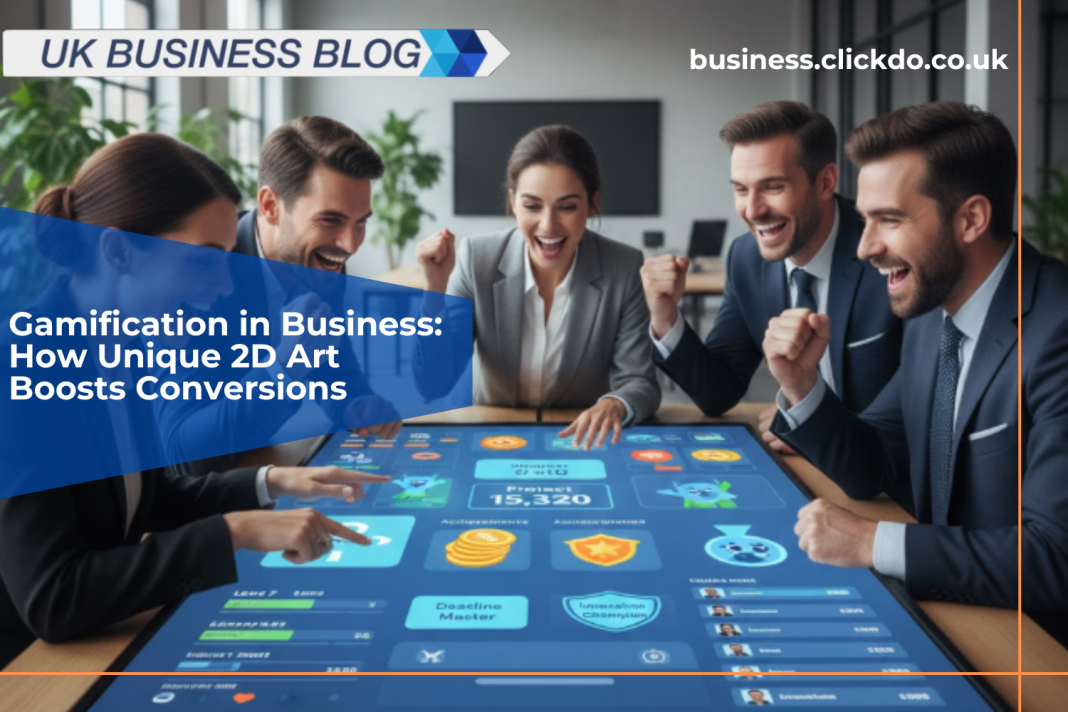
One strategy that has moved from novelty to necessity is gamification. Gamification uses elements that we usually associate with games to make customer interaction more engaging and rewarding.
When done well, it influences consumer behaviour positively and leads to higher conversion rates and stronger brand loyalty.
Below I explore why gamification works, how visuals impact buyer behaviour, and how unique 2D art plays a central role in making gamification effective for as many types of businesses as possible.
Why Gamification Boosts Conversions

At its core gamification applies game mechanics such as points, badges, progress tracking, challenges and rewards to business interactions. The goal is to make ordinary tasks more enjoyable and rewarding, motivating users to take specific actions.
Research shows that gamification increases engagement and purchase behaviour by tapping into psychological motivators such as competition, achievement and social interaction. For example, integrated gamification elements lead to increases in conversion rates by an estimated 15 to 25 percent when customers are guided through structured journeys with clear goals and rewards.
Gamification in business also has a significant impact on brand loyalty and customer retention. Research indicates retention can increase by around 30 percent when reward mechanisms and progress feedback are designed into the customer experience.
Simply put when customers enjoy interacting with a brand they are more likely to return and convert.
The Role of Visuals in Consumer Decision Making

Visual presentation is one of the most powerful influences on how customers make decisions. Our brains process visuals far faster than text. Visuals shape first impressions, create emotional connections and communicate value instantly. This is where high quality visual design becomes mission critical in gamification.
Engaging visuals help anchor the game elements into business experiences making them feel natural rather than forced. Instead of generic icons or templates, custom visuals reflect a brand’s unique personality and values. This connection strengthens emotional responses. That in turn increases trust and makes customers more comfortable taking actions such as signing up, purchasing or sharing content.
Why Unique 2D Art Matters

Not all visuals are created equal when it comes to gamification. Many businesses make the mistake of using stock art or templated graphics that lack personality.
Unique 2D art does three important things:
1. Creates consistency with brand identity
Custom 2D art ensures that reward icons, characters, progress meters and interactive elements feel like a natural extension of your brand. Customers see something unique that reinforces your positioning.
2. Drives emotional engagement
Visual aesthetics have a direct impact on emotion. Original 2D illustrations can evoke curiosity, joy, and motivation in ways generic visuals cannot. This means users will not only engage with the gamified experience but remember it.
3. Supports clarity and action
- When game elements are visually intuitive, they help users understand purpose and next steps quickly. Clear visual cues reduce confusion, increase participation and improve conversion outcomes.
For businesses looking to integrate compelling visuals into their gamification strategy professional 2d art services offer custom solutions tailored to your needs and branding. Whether you need icons, animated characters, interactive scenes or progress illustrations, these services help bring your gamification strategy to life.
Practical Examples of Gamification with 2D Art

Here are examples that any business can apply:
Retail and E-commerce
Create a point collection system where customers unlock badges as they browse categories or complete purchases. Unique 2D badges that reflect your brand story will feel more rewarding and encourage repeat visits.
SaaS Platforms
Gamify onboarding with progress maps, milestones and fun characters guiding users through initial setup. When users see their progress visually represented, they are more likely to complete setup tasks and move deeper into the product.
Service Providers
Use achievement windows and reward icons when clients complete key steps such as booking consultations, referring friends or leaving feedback. Original visuals turn routine interactions into a more enjoyable experience.
Learning and Training
Offer progress dashboards with custom illustrated paths that make learning modules feel interactive, motivating learners to keep going.
Each of these examples focuses on using visual design to make interactions more intuitive, enjoyable and rewarding.
Measuring Success
When implementing gamification, it is essential to track how users interact with each game element and how those interactions lead to conversions. Metrics to monitor include:
- Time spent engaging with gamified sections
- Reward redemption rates
- Conversion rates for specific gamified actions
- Repeat visit frequency
For strategies that tie closely to digital engagement in sales business owners may find our guide on improving e-commerce sales useful.
Gamification is not a silver bullet but when done with intention and supported by custom visuals it becomes a strategic differentiator that influences behaviour and drives conversions.
Final Thoughts
Think of gamification not as a gimmick but as a powerful behaviour design tool. When visual design and game mechanics are thoughtfully combined you get an experience that customers want to engage with. And that engagement translates directly into measurable business value. Whether you are just beginning to explore gamification or looking to elevate an existing strategy, investing in creative visual design such as professional 2D art can significantly boost effectiveness.
Author Profile

- Passionate content creator, contributor, writer and content marketing allrounder posting on various ClickDo blogs.
Latest entries
 Press ReleasesMay 19, 2026VB Distribution Wholesaler Appoints Natalia Gosciniak as CEO to Boost Global Distribution Portfolio
 Business TipsJanuary 28, 2026Gamification in Business: How unique 2D Art Boosts Conversions
 Business TipsJanuary 8, 2026The Hidden Pitfalls Of Selling A Business
 FeaturedJuly 31, 2025How Directors Can Earn £1,000 Tax-Free From Their Own Company