


I was at a coffee shop last week, waiting for my order, when I noticed something on the counter. A small tent card with a QR code on it. Nothing fancy, just a black square on white paper. Out of habit, I scanned it. It took me to a page that hadn’t been updated since 2022.
That’s the problem with how most businesses approach QR codes. They create one, print it, and forget it. No updates, no tracking, no strategy. It’s the digital equivalent of handing someone a business card with the wrong phone number on it.
The good news? Getting it right doesn’t take much. It just takes the right tool and a slightly different mindset about what QR codes are actually for.
Why Are Businesses Switching to QR Code Generators for Smarter Marketing?
They’re Not Just Shortcuts – They’re Bridges
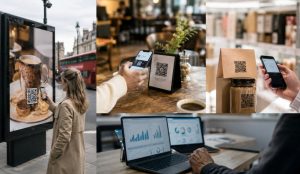
Most people think of QR codes as a quick link replacement. Scan this, go there. Simple. And yes, that’s part of it. But framing QR codes purely as URL shortcuts undersells what they can actually do.
Think of a QR code as a bridge between the physical and digital world. A poster on a street corner is static, it can’t talk back, can’t update, can’t measure who saw it. But attach a QR code to that poster, and suddenly it can.
You know how many people scanned it, when, from where, and on what device. You can change where it leads without touching the poster. You can A/B test different landing pages. You can tie it to a campaign, measure ROI, and make smarter decisions next time.
That shift in perspective, from shortcut to bridge, is what separates businesses getting real value from QR codes and those just going through the motions.
Why Most Free Tools Fall Short?
There’s no shortage of free QR code generators on the internet. Type a URL, get a PNG, done. For one-off personal use, that’s perfectly fine. But for any kind of ongoing business use, those basic tools tend to hit walls fast.
The biggest limitation is static codes. Once a static QR code is printed, it’s locked. The encoded destination is baked right into the pattern of the code itself. Change the URL, and the code becomes useless.
For businesses running campaigns, updating seasonal offers, or simply reorganizing their website, this creates a constant cycle of reprinting, which costs money and wastes time.
Beyond that, basic generators offer nothing in terms of analytics. You have no idea whether anyone scanned the code. You can’t tell if your packaging QR code is driving traffic or just decorating the box.
Platforms like Pageloot were built to solve exactly these problems. Dynamic QR codes let you update the destination anytime, without changing the printed code. Built-in analytics show you scan counts, locations, devices, and timing.
It’s a fundamentally different product than a basic free generator, and the difference becomes obvious the moment you start using QR codes at any meaningful scale.
The Features Worth Paying Attention To

If you’re evaluating QR code generators for your business, here’s an honest breakdown of what actually matters versus what’s just a nice-to-have:
- Dynamic Editing – Non-Negotiable: The ability to change where a QR code points after it’s been printed is the single most important feature for anyone using QR codes in physical marketing materials. If the tool doesn’t offer this, move on.
- Analytics Dashboard: Scan data tells you whether your QR codes are working. Location data tells you which markets are engaging. Device data tells you whether your landing page needs to be optimized for mobile. All of this shapes smarter campaigns going forward. Don’t overlook it.
- Custom Branding Options: A QR code with your logo, your brand colors, and your visual identity looks intentional. It tells people this is a deliberate part of your brand experience, not something slapped together in five minutes. Pageloot supports this level of customization, shapes, colors, logo embedding, frames, and more, without needing a designer to pull it off.
- QR Code Types Beyond URLs: URL codes are just the start. A well-rounded platform should handle Wi-Fi connection codes, vCards, PDF files, Google Maps locations, social media profiles, payment links, event registrations, and more. Having all of these under one roof simplifies your workflow significantly.
- Bulk Generation If you manage multiple locations, product lines, or campaigns simultaneously, manually creating individual codes one at a time isn’t sustainable. Bulk generation and API access are essential at that scale.
Five Use Cases That Actually Drive Results
Let’s get specific. Here are five ways businesses are using QR codes right now, not theoretically, but practically and effectively:
- Restaurant Menus: The pandemic accelerated digital menu adoption, but the convenience stuck. A table QR code that links to an always-updated menu means no reprinting when items change, no laminating, no replacements. It’s cheaper, cleaner, and honestly preferred by a growing segment of diners.
- Product Packaging: A QR code on packaging can link to setup guides, warranty registration, video tutorials, customer reviews, or upsell opportunities. It turns passive packaging into an active touchpoint, and it can be updated as products evolve.
- Business Cards: A vCard QR code on the back of your business card lets people save your contact details directly to their phone without typing anything. Add it to your email signature, your LinkedIn banner, your website, anywhere people might want to reach you quickly.
- Event Check-In: Print attendee QR codes on tickets or confirmation emails. Scan at the door. No printed lists, no manual searches, no bottlenecks at entry. For event organizers, this alone is worth the investment in a proper platform.
- Retail and In-Store Promotions: Shelf talkers with QR codes linking to product demos, comparison guides, or limited-time offers give brick-and-mortar stores a layer of digital interactivity that online competitors can’t match. Shoppers research while they browse, meet them in that moment.
Getting the Design Right
Here’s a design tip that often gets skipped: contrast matters more than color. A QR code needs sufficient contrast between the dark modules and the background to scan reliably. Beyond that, you have significant creative freedom.
Add your logo to the center. Use your brand’s primary color for the code itself. Choose a shape that fits your aesthetic, rounded corners, dots instead of squares, custom frame styles. Modern QR error correction is robust enough to handle a fair amount of visual customization without affecting scannability.
The goal is a code that looks like it was designed, not just generated. That attention to detail signals professionalism and earns more scans, people are more likely to engage with something that looks trustworthy.
One Thing to Do Before You Print Anything

This sounds obvious, but it gets skipped more often than you’d think: always test your QR code before it goes to print. Scan it on multiple devices. Make sure the landing page loads quickly on mobile.
Check that the content is correct and current. If you’re using a dynamic code, test the redirect. If you’re embedding a PDF, confirm it opens properly.
A QR code that doesn’t work is worse than no QR code at all. It creates a frustrating experience for the person who bothered to scan it and damages trust in your brand.
The Bottom Line
QR codes are no longer optional for businesses that want to connect physical touchpoints to digital experiences. But the tool you use to generate them matters. A basic static generator gets you started, a proper platform like Pageloot gets you results.
Start with one use case. Measure it. Refine it. Then expand. The barrier to entry is low, the upside is real, and the businesses already doing this well have a head start that’s only growing.
The best time to take QR codes seriously was three years ago. The second best time is today.
Author Profile

- Blogger by Passion | Contributor to many Business Blogs in the United Kingdom | Fascinated to Write Blogs in Business & Startup Niches |
Latest entries
 BusinessMay 13, 2026The Real Reason Businesses Are Switching to Smarter QR Code Generators
 Home & LivingMay 13, 2026Growing Awareness Around Maternal Health and Nutrition Choices
 BusinessMay 5, 20265 Practical Ways to Reduce Staff Absenteeism
 Online MarketingMarch 26, 2026Top 10 Link Building Companies in the USA (2026 Guide)