

Table of Contents
The United Kingdom possesses a rich architectural landscape, offering modern businesses an enviable commercial footprint. From Georgian townhouses in Bath to Victorian textile mills across the North, period properties offer prestige, authenticity, and brand storytelling that uniform contemporary office parks simply cannot replicate.
For many business owners, occupying a heritage building is a strategic statement of identity and permanence.
However, this distinct charm comes with significant operational friction. Historic buildings were never designed to meet modern energy efficiency standards, frequently featuring poor thermal insulation, single-glazed windows, and outdated heating systems that struggle to manage damp winter climates.
The ultimate challenge lies in striking a delicate balance: modernising the building to provide high-performance workplace comfort and efficiency without diluting the architectural character that makes the property valuable in the first place.
Navigating Regulations and Heritage Constraints
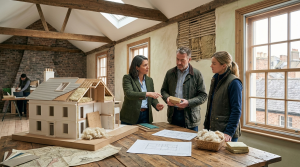
Upgrading a historic asset requires careful navigation of statutory planning frameworks. Properties with Listed Building status (Grade I, Grade II*, or Grade II) or those located within designated Conservation Areas fall under strict legal protections via the Planning (Listed Buildings and Conservation Areas) Act 1990. Carrying out unauthorised works on a listed property is a criminal offence, so it’s essential to consult with local council Conservation Officers before commencing any work.
Because alterations to structural elements, original fenestration, and historic plasterwork are heavily restricted, renovations must rely on non-invasive, breathable upgrades. Replacing timber sash windows with standard uPVC double glazing is routinely rejected; secondary glazing offers a compliant, reversible alternative that drastically cuts thermal loss and street noise.
Similarly, standard insulation techniques can severely damage older, breathable building fabrics. Modern impermeable materials like rigid PIR foam trap moisture, causing interstitial condensation and structural decay. Instead, facility managers must specify natural, vapour-permeable insulation – such as sheep’s wool, wood fibre boards, or lime plasters. Because external and structural modifications are tightly controlled, internal heating infrastructure and interior design become the primary levers for improving operational comfort.
Solving the Heritage Heating Problem
Heating a commercial period property remains one of the greatest operational hurdles for facility managers. Soaring ceilings, expansive floor plans, single-glazed windows, and thick solid brick or stone walls create spaces that lose heat rapidly and take hours to warm up.
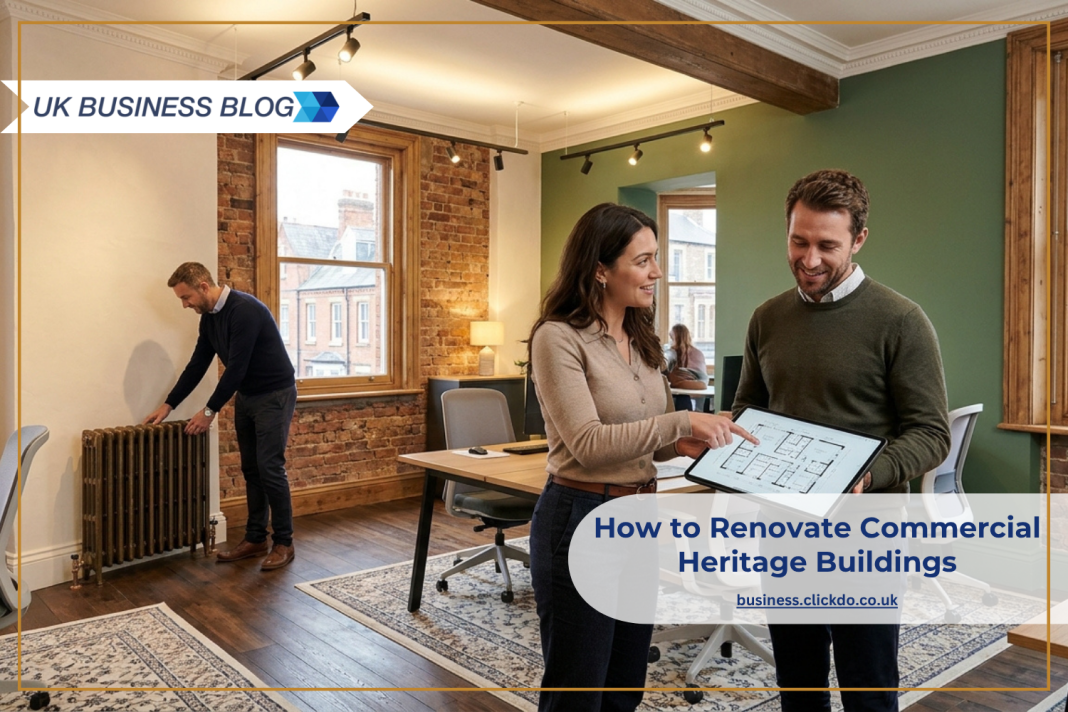
This functional problem is compounded by an aesthetic dilemma. Standard white pressed-steel panel radiators look starkly out of place inside a Victorian boardroom or a Georgian storefront, instantly undermining the historical ambience. To resolve both heat distribution and visual harmony, the use of cast iron radiators can provide the ideal solution.
These traditional units feature massive thermal mass and high heat retention. Unlike modern steel radiators that cool down immediately after the boiler cycles off, cast iron continues to emit a gentle, steady radiant warmth long afterwards. Radiant heat directly warms people and the physical building fabric rather than just warm air – which otherwise rapidly rises to the top of high-ceilinged spaces. This makes them remarkably efficient for large, draughty rooms and highly compatible with modern low-temperature heat sources like heat pumps.
Sourcing period-accurate heating allows businesses to maintain architectural integrity while gaining precise thermostatic control and superior thermal output.
Decor & Interior Design: Blending Old and New

Creating an inspiring workspace requires blending period features with functional, contemporary fit-outs. A leading trend in heritage commercial design is the “resimercial” approach – combining tactile residential comfort with professional utility. This avoids a sterile corporate aesthetic while honouring the property’s origin.
Colour choice is instrumental in framing historical details. Using authentic heritage paint palettes – such as rich Georgian blues, deep oxblood reds, or sage greens – grounds the space in its historical context while providing a striking contrast for modern office furniture. Coupled with warm, ambient lighting from adjustable suspended track fixtures, these palettes highlight exposed timber beams, ornate cornicing, and exposed brickwork without damaging delicate ceilings.
Flooring requires a similar balance. Restored pine or stone floors add immense character, but their hard surfaces reflect sound, creating acoustic issues in open-plan layouts. To maintain acoustics without concealing historical floorboards, landlords and occupiers should introduce strategic acoustic zoning through heavy rugs, sound-absorbing wall panels, and discreet underlays in high-traffic areas.
ROI: Turning Heritage into Commercial Value
A tastefully restored, energy-efficient historic asset provides premium market positioning, meaning a sensitively renovated period property could offer a number of clear financial returns.
Commercial landlords can command higher rental prices and attract premium, long-term tenants who prioritise character. For SME owners, operating from a distinctive heritage headquarters enhances brand authority, helping win high-value client contracts. Furthermore, modern employees increasingly favour character-rich, light-filled environments over generic modern offices, making heritage workspaces a potent tool for staff recruitment and retention.
Preserving the Past, Future-Proofing the Business
Modernising a commercial heritage building is not about replacing historical fabric with modern substitutes; it’s about thoughtfully integrating high-performing infrastructure that respects the past while considering the future of homebuilding. By navigating planning regulations, specifying breathable insulation, and choosing authentic heating and decor, developers and business owners protect long-term asset value, achieve environmental compliance, and deliver exceptional workplace comfort.
Author Profile

- Passionate content creator, contributor, writer and content marketing allrounder posting on various ClickDo blogs.
Latest entries
 Business TipsOctober 23, 2026How to Renovate Commercial Heritage Buildings
 Business StrategiesOctober 23, 202610 Effective Ways to Lower Business Overheads Today
 Press ReleasesMay 19, 2026VB Distribution Wholesaler Appoints Natalia Gosciniak as CEO to Boost Global Distribution Portfolio
 Business TipsJanuary 28, 2026Gamification in Business: How unique 2D Art Boosts Conversions