

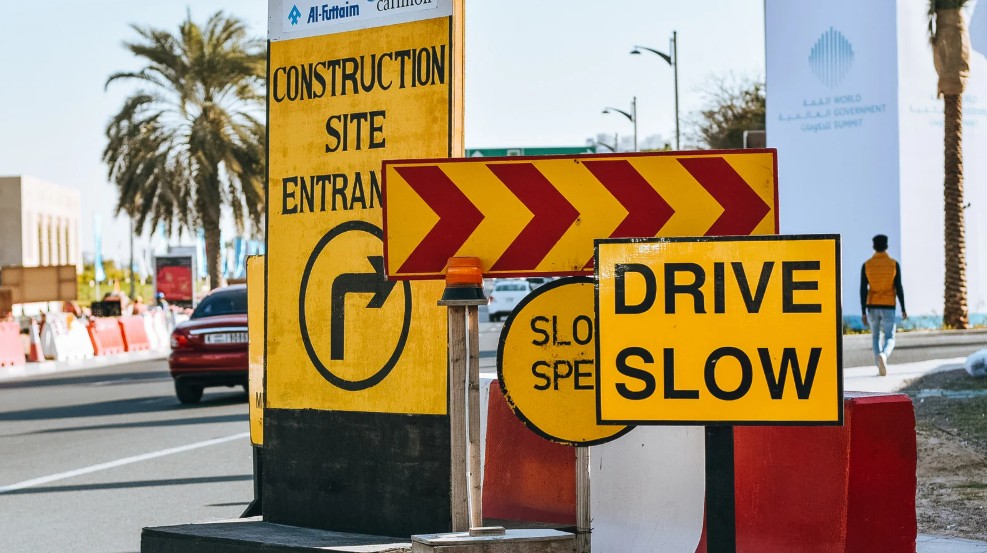
Roadworks provide immediate hazards despite their short duration. Many people drive and walk by these sites daily, even in terrible weather or low light. Temporary barriers go beyond appearance. The site communicates this way. Unclear, uneven, or easy-to-pass barriers cause uncertainty, dangerous activity, close calls, and mandated complaints.
Many teams use concrete barrier blocks from JP Concrete for a stable, easy-to-set-up structure that won’t shift under wind or traffic.
However, robust barrier units won’t protect people if the plan is incorrect, decision points are missing, or alterations are made without verification, leaving individuals unable to see or obtain what they need. Read the design quickly as a live system with temporary walls.
What Are the Key Considerations When Installing Temporary Barriers for Roadworks?
Set a Safety Target
Temporary barriers serve several uses. They can keep workers out of traffic, help cars through tiny spaces, protect pavement users from plant movement, and block cars from approaching work zones. Barriers and key achievements should be separate for each goal. Any facility that has to deter automobiles will prioritise continuity and impact resistance.
Sites emphasise clarity, accessibility, and safe paths for pedestrian navigation. Clarity prevents overbuilding. Select barrier types, lengths, and link mechanisms that align with risk to avoid improvisation.
Make the Layout Simpler to Read While Driving
Vehicles and managers interpret roadworks signs differently. Shapes, lines, and signals influence movement. Drivers have time to change if the barrier structure provides a clear passage early on. Last-minute tapers, chicanes, and late merges force cars to brake swiftly, side-swipe, and congest traffic. Visibility aids safety.
The right barriers should improve sightlines at bends, crests, and junction approaches. Regular viewers, astonished by frequent style changes, should perceive a site as new.
Protect Pedestrian Paths Without Traps
Roadworks are common on busy streets. These paths should be spacious, easy to discover, and safe at night and in the rain. Common blunders include tight spaces, swift curves, and unneeded detours. Crossing roads, entering construction zones, and ignoring signs will increase.
Accessible roads must exist. Stairs, uneven ground, and challenging crossings make the diversion risky. Barriers should allow uninterrupted flow with conspicuous crossings.
Think About Emergencies and Local Access
Temporary walls can’t stop everything. Entryways may be needed for people, emergency services, and delivery. Entry requirements should be planned, not improvised. Late access point setup is weak, confusing, and risky.
Access planning includes drainage and services. When barriers are created without addressing gullies, covers, and maintenance locations, water pools and trip hazards occur, and recurrent removals undermine the strategy.
Control Changes and Installations
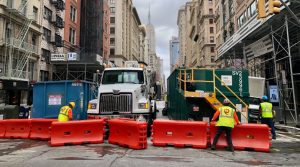
Temporary jobs are quickly replaced. Mistakes follow. A quick safety check for consistency, gaps, alignment, and visibility should follow any barrier changes. If the barrier line breaks at a curve, crossing, or junction, risk rises rapidly, planning matters. Safe concrete unit movement, no-go zones, and firm footing are needed.
The installation order should minimise the number of times items need to be moved, because each lift increases exposure and makes them easier to lose.
Monitoring and Fixing
Traffic barrier installation mitigates traffic-related damage to units and signs and wear that obscures information. Severe weather can cause water pools, reduced visibility, and hazardous public crossings.
Regular inspections reduce enforcement and keep the location safe. Upkeep includes cleaning. People distrust and choose unsafe routes because of mud on signs, trash at crossings, and debris near barriers.
Trustworthy Temporary System
Temporary impediments are easily handled. Strong materials and units help, but clear goals, easy-to-read layouts, protected pedestrian routes, planned access, controlled change management, and checks make things safer. When combined, these pieces make roads safer, smoother, and easier to operate.
Author Profile

- Guest Blogger & Outreach Expert - Interested in Writing Blogs, Articles in Business Niche | News Journalist By Profession in the United Kingdom
Latest entries
 TechnologyMarch 27, 2026Why IT Asset Recovery Should Be Part of Every UK Business Strategy?
 BusinessFebruary 17, 2026Why Online Shops Need a Fulfilment Centre?
 LawJanuary 9, 2026Emily Windsor On The Judgment Calls Barristers Make Daily
 TravelJanuary 7, 2026Key Considerations When Installing Temporary Barriers for Roadworks