

Table of Contents
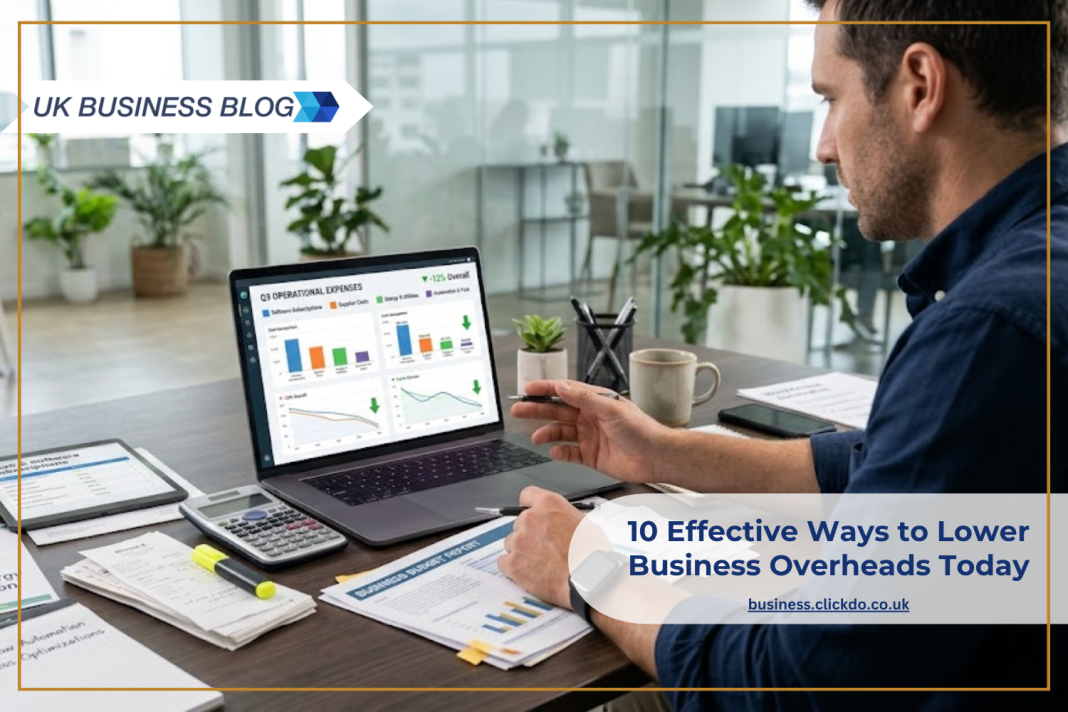
In today’s competitive UK economic climate, increasing your profit margins isn’t just about driving top-line sales – it’s equally about maintaining strict control over your recurring operational expenses. After all, any revenue growth can quickly be eroded by creeping overheads if left unchecked.
Fortunately, achieving significant financial gains doesn’t require aggressive, morale-damaging budget cuts. Instead, small, cumulative adjustments made across administrative departments, commercial premises, technology stacks, and procurement processes yield substantial annual savings over time.
With the following practical 10-step checklist, you can build a structured, actionable blueprint to audit and systematically reduce your operational overheads today.
The 10 Strategies to Reduce Overheads
1. Audit and Rationalise Tech Subscriptions (SaaS Sprawl)
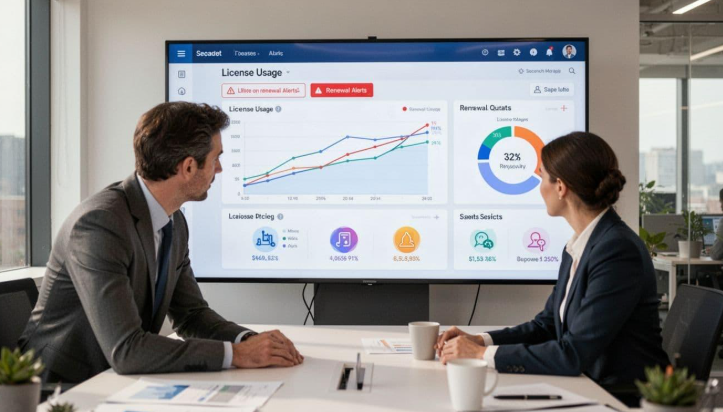
In modern UK businesses, ‘SaaS sprawl’ is a silent budget killer. Software as a Service is convenient, but frequently leads to multiple departments paying for redundant or unused licences. To combat this, conduct a comprehensive audit of your current tech stack.
Identify unused, redundant, or overlapping software licences across different teams. Consolidate your tools into unified platforms and negotiate multi-seat annual discounts rather than paying premium monthly rates. This straightforward housekeeping exercise can immediately restore vital capital to your bottom line.
2. Adopt Hybrid Working to Right-Size Office Space
Since the normalisation of flexible working, maintaining a massive commercial footprint is an unnecessary financial burden. UK business leaders should re-evaluate their physical layout by supporting flexible or hybrid schedules.
By implementing hot-desking, you can comfortably downsize underutilised desk space or sublet unused floor space to complementary businesses. Reducing your square footage directly cuts commercial rent and slashes your business rates without negatively impacting daily operational output or team productivity.
3. Automate Routine Administrative Workflows

Having skilled employees bogged down in repetitive administration is a major waste of human resources. To lower operational costs, replace manual data entry, invoicing, and scheduling with low-cost automation tools and AI-driven workflows. Streamlining these daily processes frees up countless staff hours for strategic, revenue-generating tasks.
Crucially, embracing automation enables your business to scale operations smoothly, completely removing the immediate need to increase headcount as your enterprise grows.
4. Renegotiate Vendor and Supplier Contracts Annually
Far too many businesses allow standard contracts for telecoms, corporate insurance, broadband, and office supplies to roll over year upon year, resulting in inflated loyalty premiums. To protect your margins, avoid rolling over these renewals and actively renegotiate vendor and supplier contracts annually.
Take the time to leverage competitor quotes to secure better pricing or improved loyalty terms. Suppliers are increasingly willing to offer substantial discounts or price-match guarantees to retain your custom.
5. Upgrade Facilities with Energy-Efficient Infrastructure

Commercial premises are often plagued by high utility bills caused directly by outdated office infrastructure. Upgrading obsolete panel heaters to modern, high-efficiency options – such as multi-tube designs from specialists like Column Radiators 4u – drastically improves heat distribution across large office zones.
This targeted upgrade reduces overall boiler strain and significantly trims your monthly energy costs, all while successfully refreshing your workspace aesthetics with a professional, classic finish.
6. Implement Smart Energy Controls & Lighting
Inefficient energy usage is a massive drain on commercial operational budgets, but you can instantly mitigate this by installing motion-sensor LED lighting and smart commercial thermostats throughout your premises. This technology entirely prevents the costly mistake of heating and lighting empty meeting rooms or offices outside of standard operating hours.
These intelligent systems require a minor upfront investment but deliver guaranteed, measurable reductions on your commercial utility bills throughout the entire financial year.
7. Outsource Non-Core Functions

Maintaining full-time, in-house staff for peripheral tasks quickly inflates fixed payroll costs. Operations managers should critically evaluate whether full-time internal roles for IT support, payroll processing, or bookkeeping are truly necessary. In many cases, it’s far more cost-effective to shift these responsibilities to specialised outsourced agencies or freelancers.
This intelligent strategy converts rigid fixed payroll into flexible variable costs, allowing your business to pay only for the precise services you consume.
8. Transition to a Paperless Environment
Many legacy businesses still rely heavily on paper, leading to hidden costs that compound rapidly. Transitioning to a fully paperless environment allows you to eliminate unnecessary printing, paper storage, physical archiving, and courier fees.
By adopting secure digital signatures and cloud-based file management systems, you streamline document sharing and legal compliance. A paperless office operates much faster, reduces administrative friction, and yields a continuous, highly predictable reduction in everyday office overheads. Tax is also going digital so be sure to be prepared!
9. Shift to Preventative Rather Than Reactive Facility Maintenance
Ignoring your building’s infrastructure until something physically breaks is incredibly expensive. Commercial facilities leads must shift to preventative rather than reactive maintenance – that means setting up regular, contracted servicing schedules for office plant equipment, HVAC systems, and plumbing.
Proactively fixing minor wear-and-tear early completely prevents expensive emergency call-out fees and catastrophic hardware failures. This sensible approach extends the lifespan of capital assets and prevents unforeseen downtime that could severely disrupt your business operations.
10. Re-evaluate Business Travel and Client Meetings

Unnecessary corporate travel is an easily avoidable expense in the modern digital age. It’s time to seriously re-evaluate business travel and client meetings. Default to high-quality video calls for routine check-ins, internal alignments, and standard negotiations, reserving in-person travel strictly for high-value client acquisitions.
This stringent policy directly saves capital on fuel mileage, train fares, and hotel stays. Furthermore, it successfully recovers the massive amount of lost productivity time staff spend sitting in transit.
Execution Strategy: Prioritising Your Savings
Successfully implementing a comprehensive cost-reduction strategy requires careful planning and tact. Attempting to overhaul every department overnight can disrupt day-to-day operations and create unnecessary friction across your workforce.
Instead, adopt a phased implementation approach. Focus first on quick wins that deliver immediate financial relief with minimal operational disruption – such as conducting a tech subscription audit or installing smart energy controls – before tackling larger, structural changes like renegotiating commercial leases or completing facilities upgrades.
Crucially, involve your employees throughout the process. Staff on the ground often have the clearest visibility into daily inefficiencies, and inviting them to suggest operational improvements can help build an engaged workplace culture centered on efficiency.
Securing Long-Term Resilience and Profitability
Lowering operational overheads is not about making reckless budget cuts or compromising the quality of your products and services. Rather, it’s about systematically eliminating waste and inefficiency to build a leaner, more agile organisation. By auditing your recurring outgoings and modernising your day-to-day operations, you can safeguard your profit margins and ensure long-term commercial resilience throughout 2027 and beyond.
Author Profile

- Passionate content creator, contributor, writer and content marketing allrounder posting on various ClickDo blogs.
Latest entries
 Business TipsOctober 23, 2026How to Renovate Commercial Heritage Buildings
 Business StrategiesOctober 23, 202610 Effective Ways to Lower Business Overheads Today
 Press ReleasesMay 19, 2026VB Distribution Wholesaler Appoints Natalia Gosciniak as CEO to Boost Global Distribution Portfolio
 Business TipsJanuary 28, 2026Gamification in Business: How unique 2D Art Boosts Conversions